We’re now a quarter of the way through the 21st century, and SETAC is continuing to advance environmental health science and progressing science-informed environmental management. We’ve worked tirelessly in support of our mission and to champion our strategic priorities. This review highlights the progress we’ve made together, celebrating the contributions of our members and the initiatives that shape our Society.
Growing Our Community
Newly Established Interest Groups
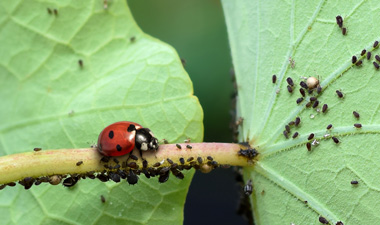
The Biologics in Agriculture Interest Group was established to provide a global platform to advance testing methods and risk assessment practices for products derived from biological sources in agriculture.
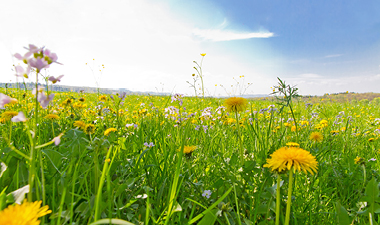
The Biodiversity Assessment and Conservation Interest Group was started to enable sharing science, experience and good practices that fosters biodiversity in managed landscapes.

The Effect Modeling Interest Group – North America was established to further mechanistic effect modeling in risk assessment of chemicals as influenced by U.S. or Canadian regulatory requirements.
Leadership and Governance Updates
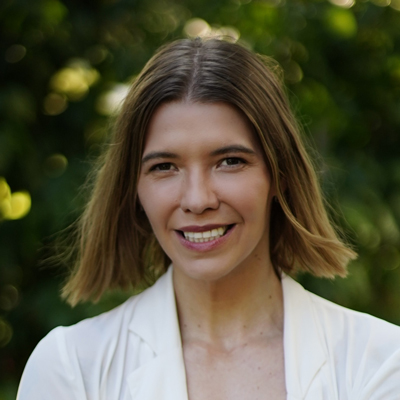
SETAC Asia-Pacific reached an important milestone in 2025 with the appointment of its first executive director, Zuzanna Neziri, who has been tirelessly working to develop and grow SETAC’s presence in the region over the past year.

SETAC adopted new bylaws in effective January 2026, establishing a more agile, competency-based Board of Directors, in line with leading association management practices. The bylaws also introduce an online, global Annual General Meeting, expanding opportunities for member engagement.
Publications
SETAC’s flagship journals, Environmental Toxicology and Chemistry (ET&C) and Integrated Environmental Assessment and Management (IEAM), continue to lead in publishing cutting-edge research. Notable highlights include:
New Publisher
SETAC Journals successfully transitioned to Oxford University Press (OUP) in 2025, marking a significant milestone in the journals’ publishing history. The first year of this partnership focused on establishing new workflows, strengthening editorial and production support, and expanding the journals’ global visibility through OUP’s publishing platform and international reach. In the same year, IEAM saw a notable rise in its impact factor—an encouraging reflection of the journal’s growing influence, even considering the limitations of such metrics. The collaboration with OUP has reinforced the journals’ long-term strategic positioning and commitment to reliable, high-quality research and scholarly impact.

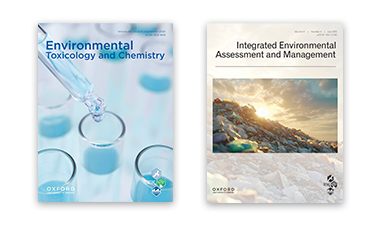
Most Read SETAC Journals Series
- ET&C: Paint: A Ubiquitous Yet Disregarded Piece of the Microplastics Puzzle, Zoie T. Diana, Yuying Chen and Chelsea M. Rochman
-
IEAM: The Influence of Sampling Method and Season on Modeling of Selenium into Coldwater Fish and Implications on Tissue‐Based Water Quality Benchmarks, Maíra Peixoto Mendes, Beatriz Cupe‐Flores, Katherine Woolhouse, Stacey Fernandes and Karsten Liber
A Collective Voice for Science
Collaborations
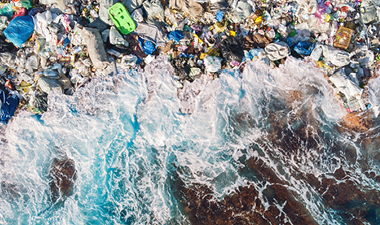
Advancing Science–Policy on Chemicals and Pollution
As an accredited major group within scientific and technological community of the United Nations Environmental Programme (UNEP), SETAC has contributed to the development of the Intergovernmental Science-Policy Panel on Chemicals, Waste, and Pollution (ISP-CWP) through its Advisory Panel on Chemicals Management. Following three years of negotiations, ISP-CWP was formally established on 20 June 2025. Read more in the SETAC Globe, and follow this work by joining SETAC’s ChemPanel Affinity Group.

Advancing the Safe and Sustainable by Design Framework
SETAC members presented recommendations and research gaps to strengthen the scientific foundation and practical application of the Safe and Sustainable by Design (SSbD) framework at the third SSbD boot camp in Ispra, Italy, organized by the European Commission Joint Research Centre. The input, gathered through a SETAC–European Commission consultation series reflected contributions from more than 100 SETAC scientists supporting SETAC Europe’s participation in the High-Level Round Table.

Advancing One Health Collaboration
A collaborative One Health mentoring and skills development program has launched through SETAC partnership with University of California, Davis; Meharry Medical College; and Iowa State University, supported by funding from the National Institutes of Health.
Meetings

SETAC Europe 35th Annual Meeting
- Watch the John Elkington opening plenary and Marco Baity-Jesi plenary




Thank you for your continued engagement and support of SETAC meetings.
Workshops
The second gathering of the MAPPED workshop (use of models for assessing population relevance of endocrine disruptor effects) took place from 3–4 June in Brussels, Belgium. Effect modelling has only recently started a pathway of acceptance among regulators, mainly because of lack of standardisation and agreed criteria for establishing their suitability for regulatory purposes. Workshop participants discussed and reported options to align needs and expectations, pursuing a shared goal of improving the current assessment methodologies.
Webinars

We hosted several webinars on technical topics this past year. Catch up on any missed past webinars accessible to explorer and full SETAC members.
SETAC Official Merchandise
The SETAC Merchandise Store celebrated its first anniversary, with new items added throughout the year.
Awards
Global
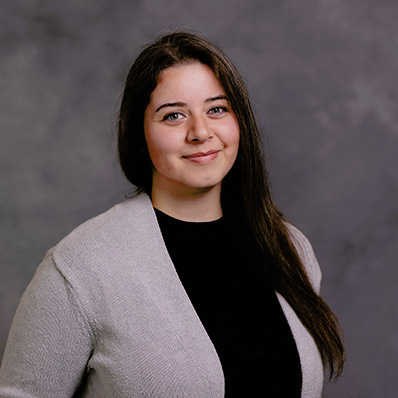
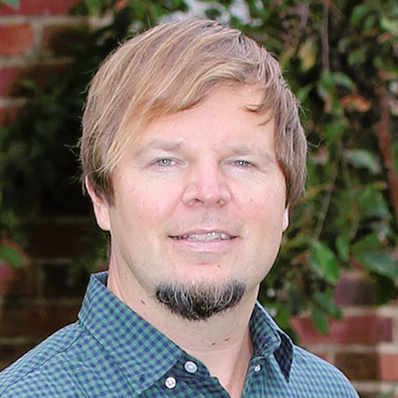

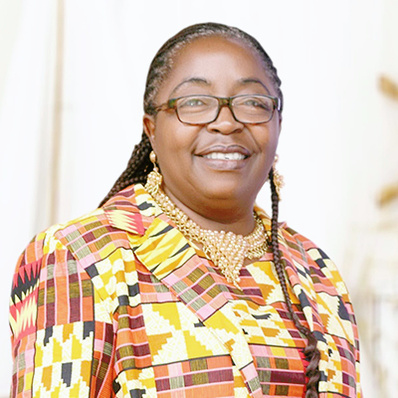
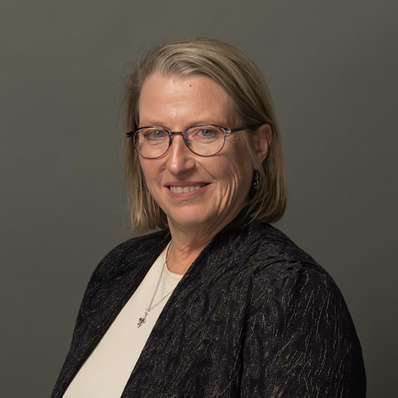
Lauren Zink
Chris Lee Award for Metals Research
Lauren Zink
Chris Lee Award for Metals Research
University of British Columbia
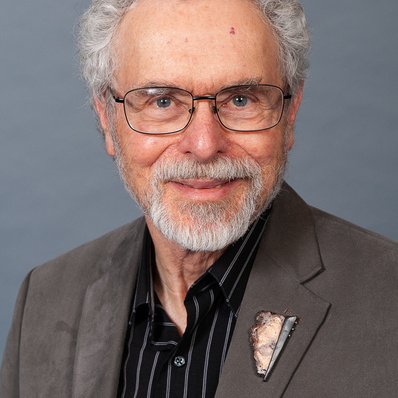
Glenn Suter
Exceptional Service Award
Glenn Suter
Exceptional Service Award
U.S. Environmental Protection Agency (retired)
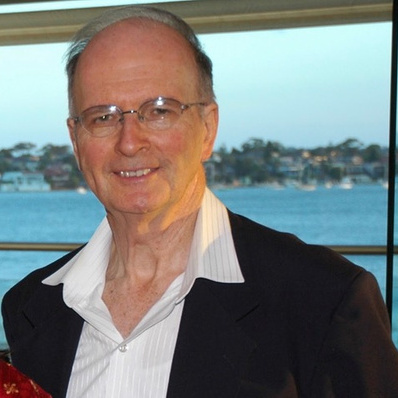
Munro Mortimer
Exceptional Service Award
Kurt Gust
ET&C Best Paper Award
Kurt Gust
ET&C Best Paper Award
Environmental Laboratory Engineer Research and Development Center, US Army
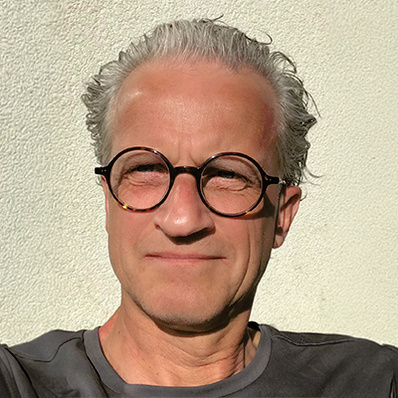
Europe

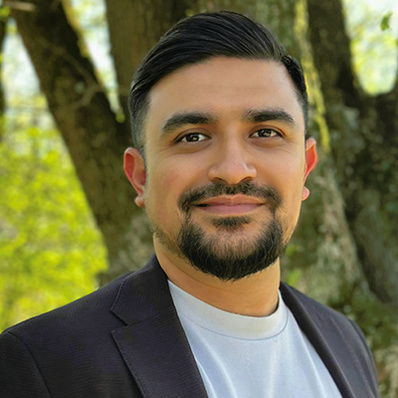


Kees van Gestel
Noack Laboratorien Outstanding Science Career Award
Kees van Gestel
Noack Laboratorien Outstanding Science Career Award
VU University Amsterdam
Marco Franco
Rifcon Early Career Scientist Award
Marco Franco
Rifcon Early Career Scientist Award
Eawag
Alessia Ore
Best Student Platform Presentation
Alessia Ore
Best Student Platform Presentation
Wageningen University and Research, Netherlands
Alexander Piro
Best Student Poster Presentation
Alexander Piro
Best Student Poster Presentation
University of Helsinki, Finland
North America
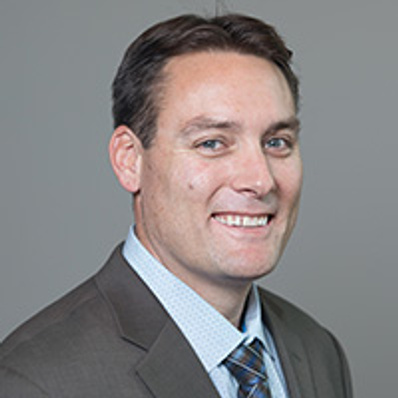
Eric Van Genderen
Professional Excellence in Service Award
Eric Van Genderen
Professional Excellence in Service Award
International Zinc Association
2025 Best Student Presentation Award Winners
Undergraduate
- Sasha Steinberg, University of California, Santa Cruz: Lead Isotopic Compositions Suggest Ingested Fragments as Source of Toxicity in Bald Eagles (Haliaeetus leucocephalus)
Masters
- Mia Lahiji, University of Lethbridge: Investigating Microcystin Contamination in Alberta’s Irrigation District: Impacts on Soil and Crop Health
Ph.D.
- Samantha Phelps, Duke University: Later-Life Stress Responses Are Compromised by Developmental Exposure to Polycyclic Aromatic Hydrocarbons (PAHs) in Fish Evolved to Resist PAH Toxicity