
Governance
SETAC was established in 1979 and soon grew to be a global entity with geographic units in Africa, Asia-Pacific, Europe, Latin America and North America. Thus, SETAC became the global home to environmental professionals from around the world while meeting the needs of individual scientists at the local and regional levels. SETAC programs include publications (such as journals, fact sheets and books), workshops, webinars and an awards program, which are all supported by members and volunteers.
The affairs of the Society are managed by the Global Executive Director under oversight of the SETAC Board of Directors as defined by the SETAC Bylaws. SETAC is incorporated in the US as a 501(c)(6) not-for-profit organization, EIN #52-1184315.
SETAC Board of Directors
President
Nile Kemble, Federal Government (retired), USA
Vice President
Lorraine Maltby, Sheffield University, UK
Treasurer
Alan Jones, BASF Corporation, USA
Immediate Past President
Amanda Reichelt-Brushett, Southern Cross University, Australia
Board Members
Sandrine Andres, French National Institute for Industrial Environment and Risks (INERIS), France
Gabriel Dedeke, Federal University of Agriculture Abeokuta, Nigeria
Mark Johnson, Federal Government, USA
Susana Loureiro, University of Aveiro, Portugal
Iseult Lynch, University of Birmingham, United Kingdom
Juan Ignacio Pina, Albaugh, Argentina
Chris Stransky, GEI Consultants, USA
Hiroshi Yamamoto, National Institute for Environmental Studies, Japan
Executive Director (non-voting board member)
Bart Bosveld, SETAC Global
Groups

SETAC Board Observers
Join this group to stay updated about SETAC Board affairs and view the agenda, minutes and relevant documents of SETAC Board Meetings.
Important Documents
- SETAC Governance Member Factsheet
- Restated SETAC Articles of Incorporation (2023)
- SETAC Bylaws (2026) and SETAC Board Procedures (2026)
- IRS Form 990 for 2022, 2023 and 2024
SETAC Board Officers

Nile Kemble
SETAC President, SETAC North America Past President
Nile Kemble received a B.S. degree from the University of Nebraska-Kearney in biology with a wildlife emphasis and a M.S. from the University of Missouri in fisheries management. Kemble has worked with a variety of other organizations, both nationally and internationally, to develop sediment quality guidelines that can be used to predict the incidence of toxicity in sediments as well as working with ASTM and USEPA in developing standard methods for conducting toxicity tests with contaminated sediments. His current research is primarily focused in evaluating toxicity and effects of hazardous algal blooms on freshwater fish and invertebrates and working on developing a bait food for eradicating invasive carp. He has published 94 peer reviewed articles or final reports.
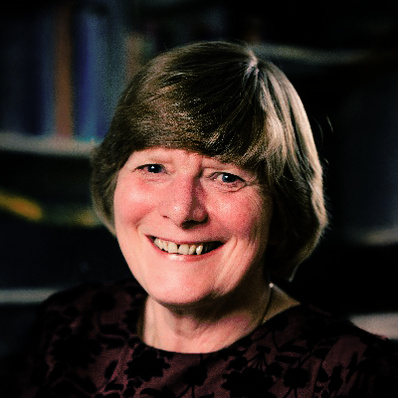
Lorraine Maltby
SETAC Vice President
Lorraine Maltby (B.Sc., Ph.D.) is Professor of Environmental Biology and former Deputy Vice President for Research at the University of Sheffield, UK. With over four decades of expertise in ecology and ecotoxicology, her research informs environmental policy by focusing on the impact of human activities on biodiversity and ecosystem services. She is a fellow of the Royal Society of Biology, the Freshwater Biological Association and the Society of Environmental Toxicology and Chemistry (SETAC), where she served as SETAC Europe President and founding President of the SETAC World Council. In 2021, she was made an Officer of the Order of the British Empire (OBE) for services to Environmental Biology.
Maltby’s commitment to SETAC spans over 35 years. Her leadership has included serving as President at the regional branch, geographic unit and global levels. Her extensive governance experience covers serving on and chairing councils (SETAC Europe, SETAC World) and committees (Publications Advisory Committee, Search Committees). She has organised 27 conferences and workshops, notably the founding SETAC Europe conference and seven SETAC World congresses. Additionally, she served on the editorial board for the SETAC journal Environmental Toxicology and Chemistry and co-founded the Ecosystem Service Interest Group. A SETAC Fellow since 2016, her SETAC awards include the SETAC Europe Special Award, the Herb Ward Exceptional Service Award and Environmental Education Award. Her leadership skills, extensive governance experience, deep knowledge of and exceptional commitment to SETAC will greatly enrich her service as a board member.
Maltby holds a deep commitment to the fundamental ideals of SETAC and a strong desire to ensure that we effectively serve the needs of our members globally.

Alan Jones
SETAC Treasurer, SETAC North America Board Member
Alan Jones is a Senior Aquatic Ecotoxicologist with BASF in Research Triangle Park, North Carolina. He received a B.S. in Environmental Studies from Emory & Henry College and a M.S. and Ph.D. in Environmental Toxicology from Clemson University, where he studied the effects of multiple stressors on small stream ecosystems. He was a postdoctoral scholar at Oregon State University, working on the Hanford Site Natural Resources Damage Assessment, and went on to join the crop protection chemicals industry in 2015. He has been an active SETAC member since 2005 and has both been a member of and (co-)chaired the steering committees of the Chemistry Interest Group and the Sediments Interest Group. He was a member of the Membership Committee and has organized the SETAC North America Buddy Program for the last three years.
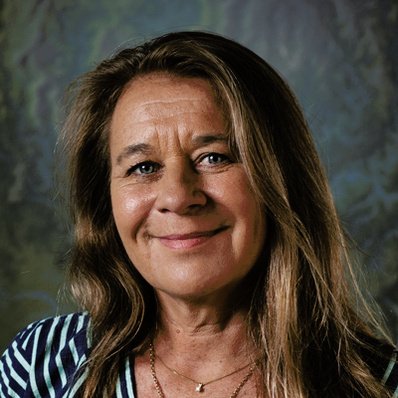
Amanda Reichelt-Brushett
SETAC Past President
Amanda Reichelt-Brushett’s international research profile is focused on enhancing our understanding of the sources, fate and consequences of contaminants in our environment and includes several subthemes: ecotoxicology, risk assessment, environmental management and ecosystem restoration.
She has more than 30 years of experience in academia, with a focus on undergraduate teaching and postgraduate training. Her motivation for teaching is to develop students’ critical and creative thinking for problem-solving in environmental chemistry and related science and management. She is the proud editor and co-author of a 2023 textbook titled “Marine Pollution –monitoring, management and mitigation,” an open-access textbook available online and in hard copy.
SETAC Board Members
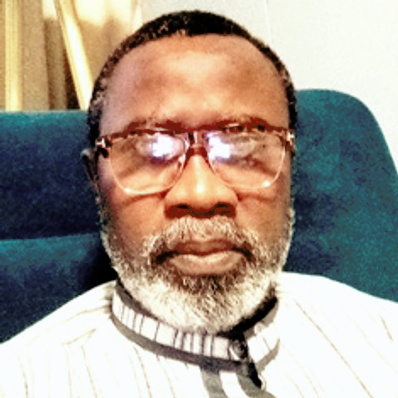
Gabriel A. Dedeke
SETAC Boar Member, SETAC Africa Immediate Past President
Gabriel A. Dedeke, Ph.D., is Professor of Animal Ecophysiology at the Federal University of Agriculture, Abeokuta, Nigeria. His research focuses on ecological and human health risk assessment of environmental contaminants, with particular emphasis on emerging pollutants, such as microplastics and their physiological and biomarker responses in aquatic and terrestrial organisms. He has more than 25 years of academic and research experience in zoology, environmental toxicology and ecophysiology, and has authored numerous peer-reviewed publications, book chapters and conference contributions. Dedeke was the Immediate Past President of SETAC Africa from 2024–2025. He has contributed actively to SETAC initiatives as a conference session co-chair, training instructor in ecological risk assessment and member of scientific program committees. His engagement reflects a strong commitment to advancing SETAC’s mission of promoting environmental science and informed decision-making globally. In addition to his SETAC service, Dedeke has held several academic leadership positions, including Deputy Dean of the College of Biosciences and Deputy Director of the Institute of Human Resource Development at his institution. He is dedicated to mentoring the next generation of environmental scientists and strengthening research capacity and science-policy integration in Africa and beyond.
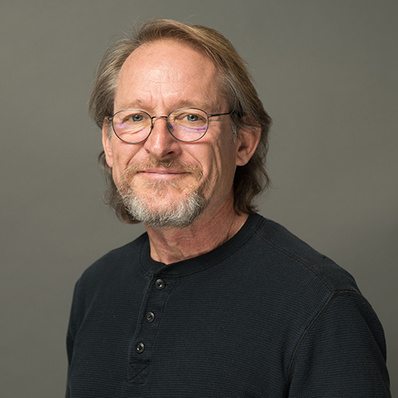
Mark Johnson
SETAC Board Member, SETAC North America Past President
Mark Johnson served as the Director of Toxicology for the U.S. Army Public Health Center. He has held several leadership roles including as a past president of the American Board of Toxicology (ABT) and board member of the International Board of Environmental Risk Assessment (IBERA). He believes that the role of SETAC as a leader in environmental sciences is changing from one that has traditionally focused on understanding contaminants to one that has had to respond to increasingly complex emerging environmental issues that include human public health concerns. Johnson hopes to help SETAC encourage new ways to support multi-matrixed efforts to include One Health concepts in environmental risk assessment through focusing on emerging issues. He would also like to see SETAC bridge into recommending courses of action that will result in applied tools and solutions.
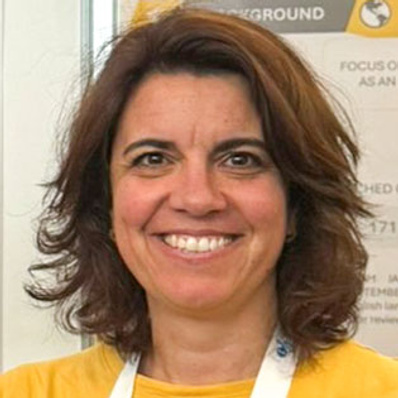
Susana Loureiro
SETAC Board Member, SETAC Europe Immediate Past-President
Susana Loureiro earned a degree in biology (1997), a master's degree in ecology (2000) and a Ph.D. in biology (2004). She obtained her habilitation (Agregação) in 2017. She is an associate professor with habilitation in the Department of Biology at the University of Aveiro and a researcher at the Centre for Environmental and Marine Studies (CESAM), where her research focuses on environmental toxicology and the effects of chemical and physical stressors on living systems – from molecular and in vitro responses to individual organisms, populations and communities studied in microcosms and complex field trials.
Working from a One Health perspective, Loureiro investigates a diverse range of organisms, from aquatic species such as water fleas and zebrafish to terrestrial invertebrates and insects, including black soldier fly larvae. Her research addresses emerging contaminants, including nanomaterials, PFAS and co-occurring chemical mixtures. More recently, she has become interested in bio-based solutions for agriculture, contributing to their safety assessment. She was one of the recipients of the 2025 Portuguese Women in Science Award, presented by Ciência Viva (Portugal).
Loureiro served as Vice President of SETAC Europe (2024–2025) and President of SETAC Europe (2025–2026) and currently serves as Immediate Past-President. She coordinates a master’s program in eco-toxicology and risk analysis at the University of Aveiro, serves as an associate editor for scientific journals, including Environmental Science: Nano, and represents the University of Aveiro on the Portuguese Technical Committee on Nanotechnologies (CT 194), the national mirror committee for ISO/TC 229 and CEN/TC 352.
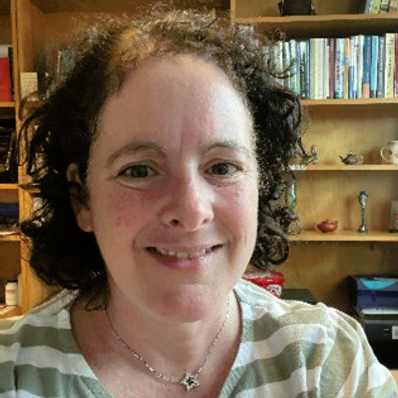
Iseult Lynch
SETAC Board Member, SETAC Europe Treasurer
Iseult Lynch has a bachelor's degree in chemistry, a Ph.D. in physical chemistry and materials, and a master’s degree of business administration (MBA). She is Chair Professor of Environmental Nanosciences at the University of Birmingham, where her research focusses on the interaction of nanoscale materials of engineered, anthropogenic or natural origin with living systems such as the water flea Daphnia magna or cellular models such as zebrafish embryo cells and with co-polluting chemicals including PFAS, personal care product ingredients and more. She is a passionate advocate for women in science and for public engagement in research, and she was the recipient of the SETAC Europe Noack Laboratorien Outstanding Science Career Award in 2021 and the Royal Society of Chemisty John Jeyes award for Environmental Sciences in 2020 for her work on the environmental biomolecule corona acquired by nanoscale materials and its implications for nanomaterials fate and effects.
Lynch has been a member of the SETAC Europe Board of Directors for since 2018 and was the Scientific Programme Committee lead for SETAC Europe SciCON in 2020 and SETAC Europe’s 2023 annual meeting in Dublin. Iseult is the Treasurer for SETAC Europe since 2022 and assumed a position on the SETAC Board of Directors in 2024.
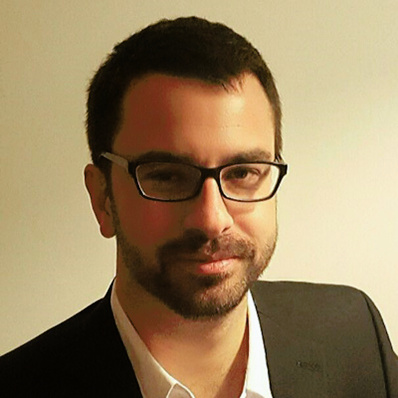
Juan Ignacio Pina
SETAC Latin America Immediate Past President
Juan Ignacio Pina is an Agricultural Engineer with a degree in Agri-food Management. He is currently pursuing a specialization in Occupational Health and Safety in Agriculture at the Faculty of Agronomy of the University of Buenos Aires and holds a master’s degree in technologies for the Transformation of Agri-food Products from the University of Perugia, Italy. Since 2008, he has worked in the Regulatory Affairs departments of renowned companies that produce and market pesticides. He currently serves as Regulatory Affairs and Product Stewardship Manager for Southern Latin America at Atanor/Albaugh. He is member of Board of Directors of CampoLimpio Argentina, a member of the CIAFA Technical Committee, treasurer of the CPIA, national council of agriculture engineers, and Immediate Past President of SETAC Latin America. He is also a co-organizer of the MAPEF Workshop – Workshop on Alternative Methods to the Use of Animals for Toxicological Studies of Pesticides, since 2019 and author of the ICCAS publication “Toxicological Classification and Labeling of Plant Protection Products.” He also carries out academic activities, currently serving as Adjunct Professor of Agri-food Systems at the Faculty of Agronomy of the University of Buenos Aires.

Chris Stransky
SETAC Board Member, SETAC North America President
Chris Stransky is a senior aquatic scientist and group leader at GEI Consultants in Carlsbad, California. Prior to joining GEI in 2024, Stransky led an Aquatic Sciences practice and was the Director of a Toxicology Laboratory which he designed and built with his team at WSP and predecessor companies. His experience and interest have been centered on a wide variety of toxicology and ecological risk assessment programs in support of regulatory compliance, as well as developing and testing new innovative methods for monitoring. Characterizing the health of aquatic biological communities is a role and passion of his. Stransky received his B.A. in Aquatic Science from the University of California Santa Barbara and an M.S. in Ecology from San Diego State University.
Stransky has been an active member of SETAC for more than 30 years. He currently serves on the Board of Directors for SETAC North America and was elected Vice President in 2024. Stransky also currently serves on the Board of Directors for the Boz Life Science Research and Teaching Institute, affiliated with the University of California San Diego. He enjoys identifying and fostering collaborative opportunities and inspiring others through motivation and encouragement.
Outside passions include surfing, diving and exploring the outdoors, hiking and backpacking. He has two boys: one currently in the Coast Guard and one studying engineering at San Diego State University.
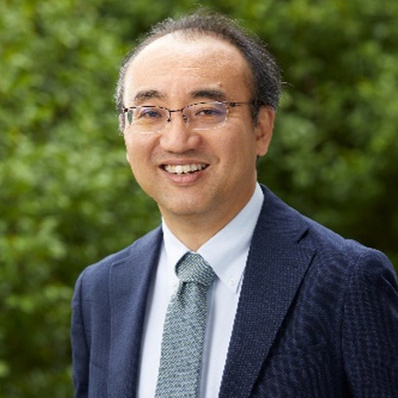
Hiroshi Yamamoto
SETAC Board Member, SETAC Asia-Pacific President
Hiroshi Yamamoto received his mater’s degree from the Graduate School of Global Environmental Engineering of Kyoto University in 1997 and a Ph.D. in Environmental and Water Resource Engineering from the University of Texas at Austin in 2002. He served as Assistant Professor and Associate Professor at Tokushima University between 2004 and 2016 and moved to the National Institute for Environmental Studies (NIES) in April 2016 and became Head of the Ecotoxicity Section in the Center for Health and Environmental Risk Research. He was promoted to Deputy Director in 2019 and became Director of the Division of Health and Environmental Risk in April 2024. His expertise is in the fate and ecological risk of micropollutants such as pharmaceuticals, pesticides, surfactants and other industrial chemicals, and more recently in plastics.
He is a visiting professor at the Graduate School of Frontier Science, The University of Tokyo. He has been contributing to international standardization of ecotoxicity testing methods and hazard assessment under the Organization for Economic Cooperation and Development (OECD). He has also been involved in environmental risk assessment of chemicals in Japan for more than 20 years, mostly under the Ministry of the Environment. He has been a board member of SETAC Asia-Pacific for more than three years and became Vice President in 2022. He has also been a Vice President of SETAC Japan since 2022.