Keynotes
We’re excited to announce our confirmed plenary lineup for the SETAC 14th Young Environmental Scientists Meeting. Learn more about each speaker.
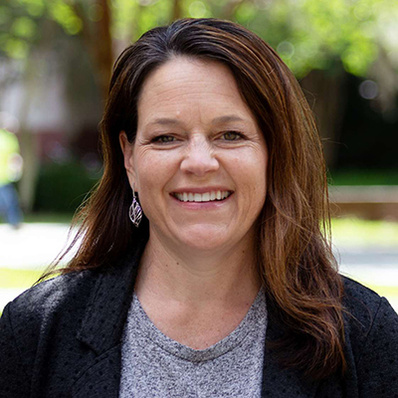
Tara Sabo-Attwood
Tara Sabo-Attwood is professor and dean of the Arnold School of Public Health at the University of South Carolina. She earned a Bachelor of Science in genetics from UConn and a doctorate in biomedical sciences and environmental toxicology from the University of Florida. For several decades, she has led a well-funded research program investigating the effects of pollutants on ecosystems and human health, with a particular focus on how contaminants such as nanoparticles, microplastics and harmful algal bloom toxins affect the respiratory system.
More recently, Sabo-Attwood has led efforts in wastewater-based epidemiology to track illicit drugs as indicators of community health. She also leads initiatives in occupational health through the Southeastern Coastal Center for Agricultural Health and Safety, supported by CDC/NIOSH, with the goal of protecting worker communities that are integral to the U.S. economy and infrastructure. Through her mentorship, she has supported the professional development of more than 100 junior faculty members, postdoctoral fellows and students. She is passionate about professional development and advocates for women's leadership, particularly in the U.S. and Africa.
Throughout her career, Sabo-Attwood has held numerous leadership positions, including department chair, associate dean of wellness and cultural engagement and dean. She was named a Research Fellow by the National Academy of Sciences and has served on several scientific boards, including the International Academy of Sciences and the U.S. Environmental Protection Agency's Chartered Science Advisory Board. She currently serves as a member of EPA FIFRA and will soon serve as a national adviser to the CDC. She is also a research associate with the Smithsonian's Global Health Program in Washington, D.C.
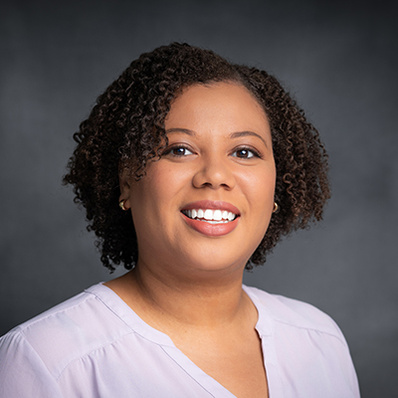
Imari Walker-Franklin
As an analytical scientist at RTI International, Imari Walker-Franklin analyzes complex environmental and biological samples, including surface water, wastewater, sediment and biological serum and tissue, to identify novel contaminants and metabolites. She uses gas and liquid chromatography systems coupled with high-resolution accurate mass spectrometry (GC-HRMS and LC-HRMS) to generate data, which she processes using nontarget analysis workflows to expand the field of exposomics. In addition, she investigates the presence and impacts of microplastics and microplastic-associated chemicals in human fluids and tissues.
Walker-Franklin earned a doctorate in environmental engineering from Duke University, where she investigated the fate, occurrence and transformation of polymer-associated chemicals in aquatic environments. She has presented her research on plastic pollution at national press conferences, panels and lectures. She also serves as a member of the National Academies Roundtable on Plastic Pollution and received the 2024 National Academies Eric and Wendy Schmidt Award for Excellence in Science Communications.
In her keynote address, Walker-Franklin will discuss her journey as a scientist and environmental science communicator. She also will host a book signing for her co-authored book, Plastics (2023), part of the MIT Essential Knowledge Series, with Jenna Jambeck. If you would like to purchase a copy for pickup at the signing, please select this option during registration.