Highlights From the SETAC Asia-Pacific 15th Biennial Meeting
Zuzanna Neziri, SETAC Asia-Pacific Executive Director
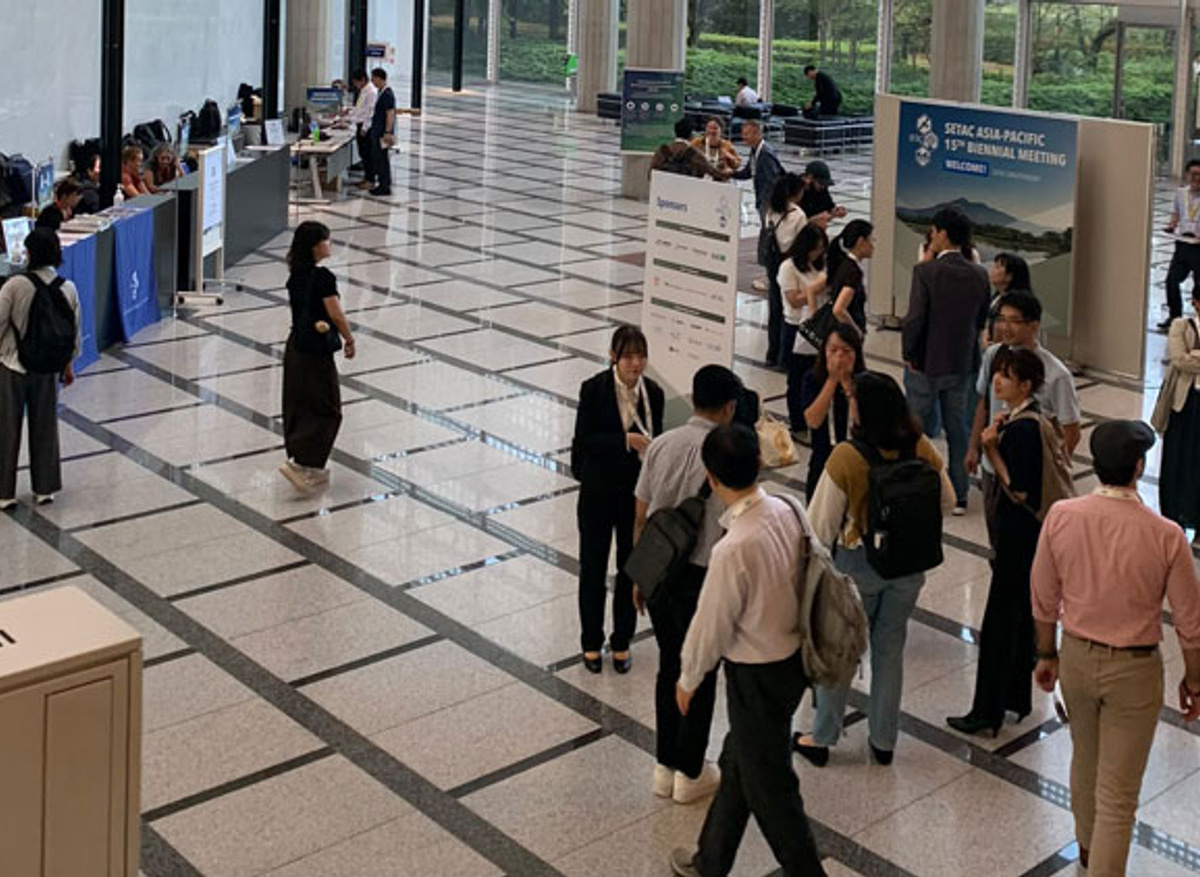
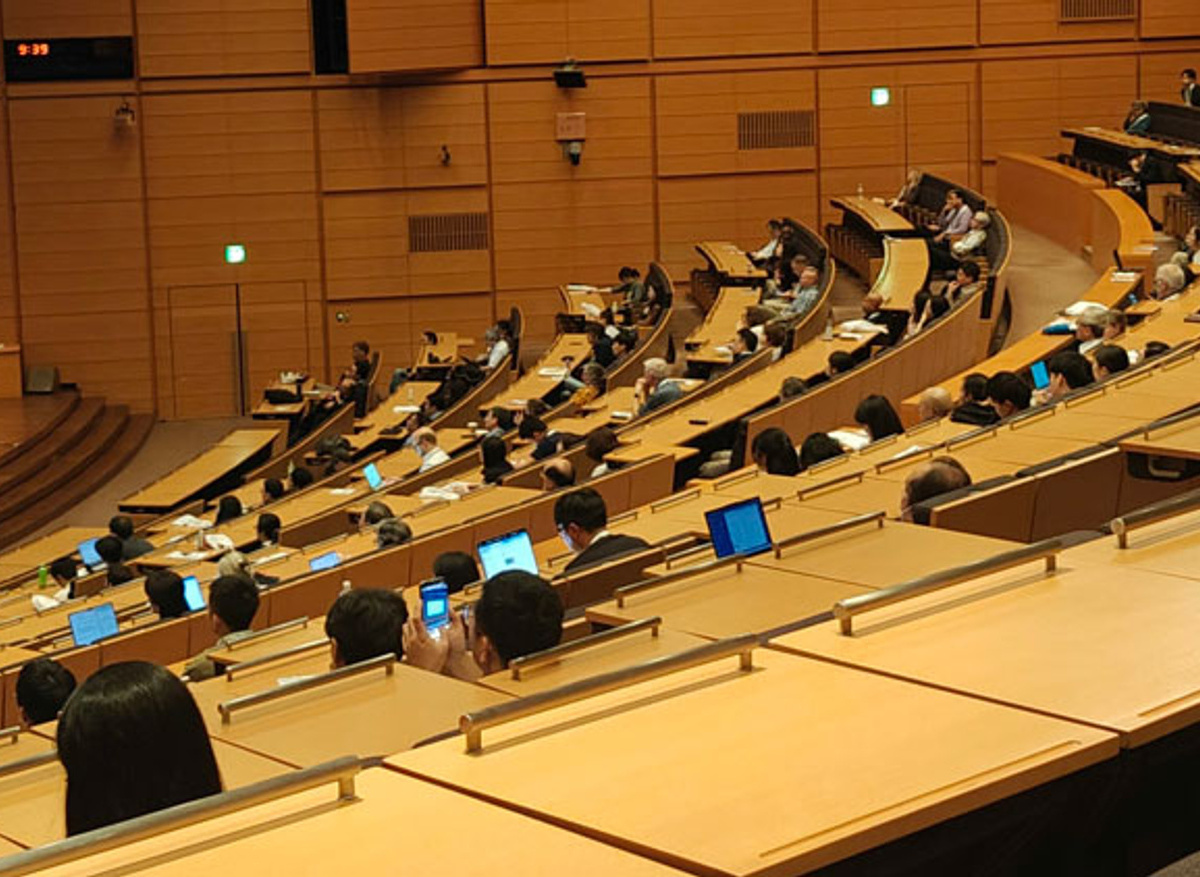
More than 600 participants gathered from 20–23 September in Tsukuba, Japan’s “City of Science,” for the SETAC Asia-Pacific 15th Biennial Meeting at the Tsukuba International Congress Center. Under the theme "Rethinking Environmental Balance for the Future," researchers, regulators, industry professionals and students from across the Asia-Pacific region and beyond came together for four days of science, partnership and recognition.
The meeting was organized by SETAC Asia-Pacific and led by Hiroshi Yamamoto, Japan National Institute for Environmental Studies, and Norihisa Tatarazako, Ehime University, with Wataru Naito, National Institute of Advanced Industrial Science and Technology (AIST), serving as Vice Chair of the local organizing committee.
Workshops Set the Stage
Sunday opened with three hands-on workshops:
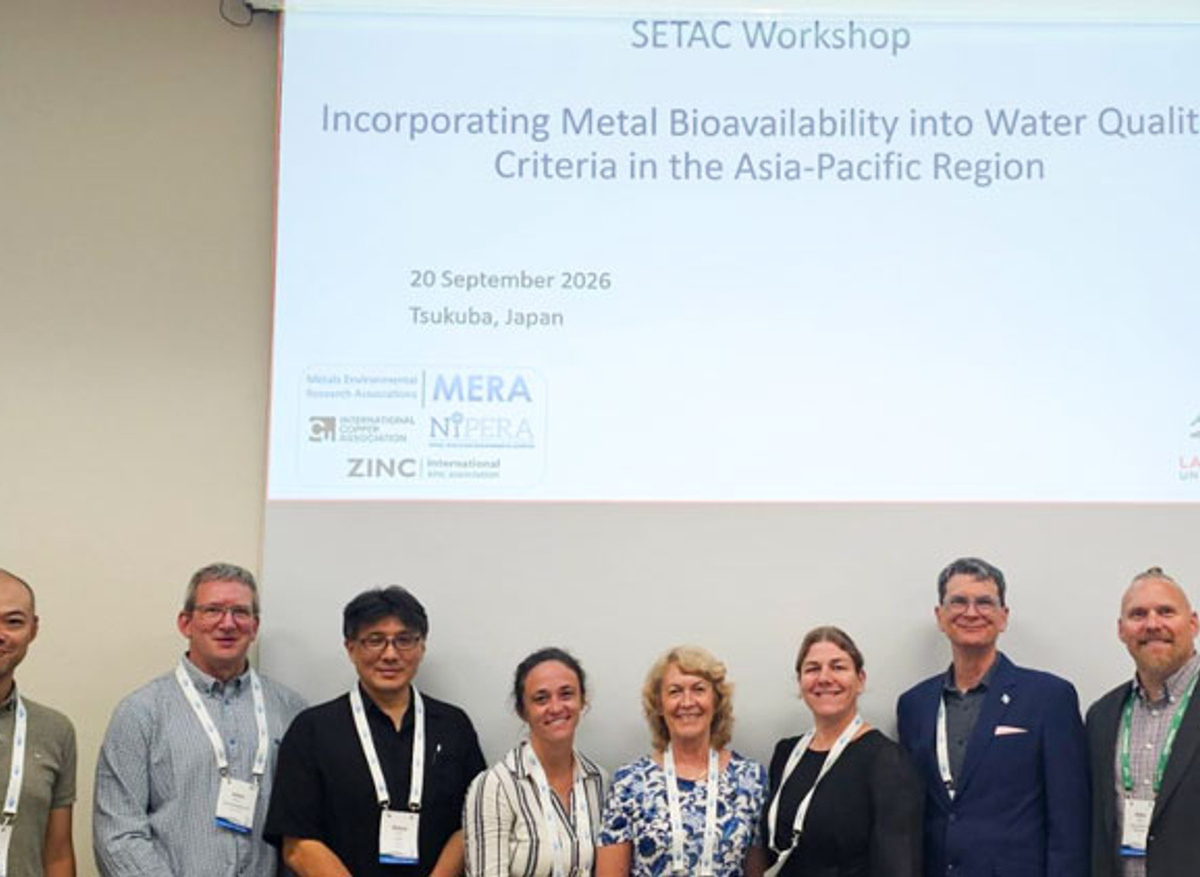
- Metal bioavailability. Jenny Stauber of La Trobe University, Ross Smith of Hydrobiology and Wataru Naito of AIST led a MERA-sponsored workshop on advancing the use of bioavailability-based water quality criteria for metals across the region. Speakers came from Japan, China, Southeast Asia, the United States, the United Kingdom and Australia.
- Concentration-response modeling. Rebecca Fisher of the Australian Institute of Marine Science gave participants practical training in Bayesian concentration-response modeling using the R package bayesnec.
- Legacy mercury. Larissa Schneider of the Australian National University and Ruoyu Sun of Tianjin University examined how a warming climate is remobilizing stored mercury and what that means for the Minamata Convention.
A Thundering Welcome
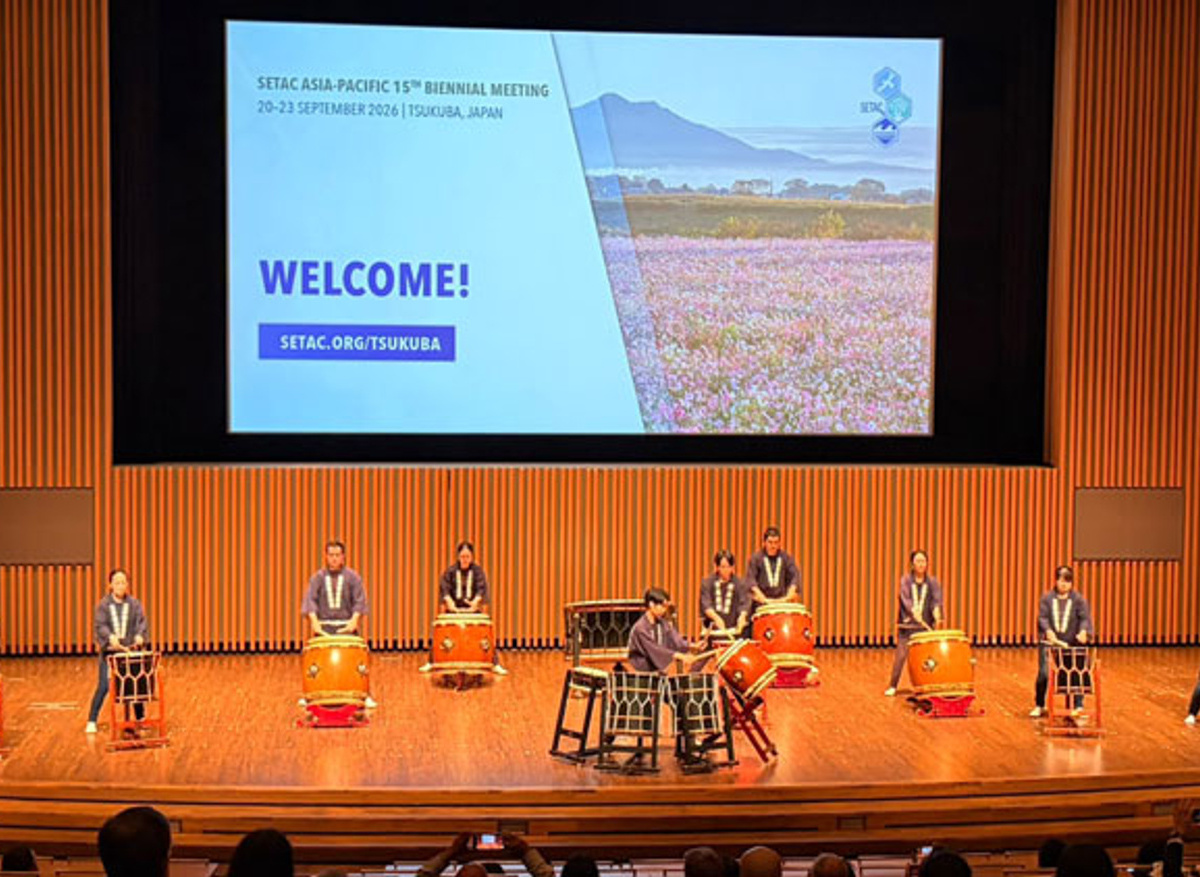
On Sunday afternoon, taiko drummers launched the opening ceremony in the Leo Esaki Main Hall with a thundering welcome that set the tone for the meeting. A busy welcome reception followed in the Multi-Purpose Hall, where delegates reconnected with colleagues and met new ones from across the region.
SETAC Tsukuba in photos
SETAC Tsukuba in photos
SETAC Tsukuba in photos
SETAC Tsukuba in photos
SETAC Tsukuba in photos
SETAC Tsukuba in photos
SETAC Tsukuba in photos
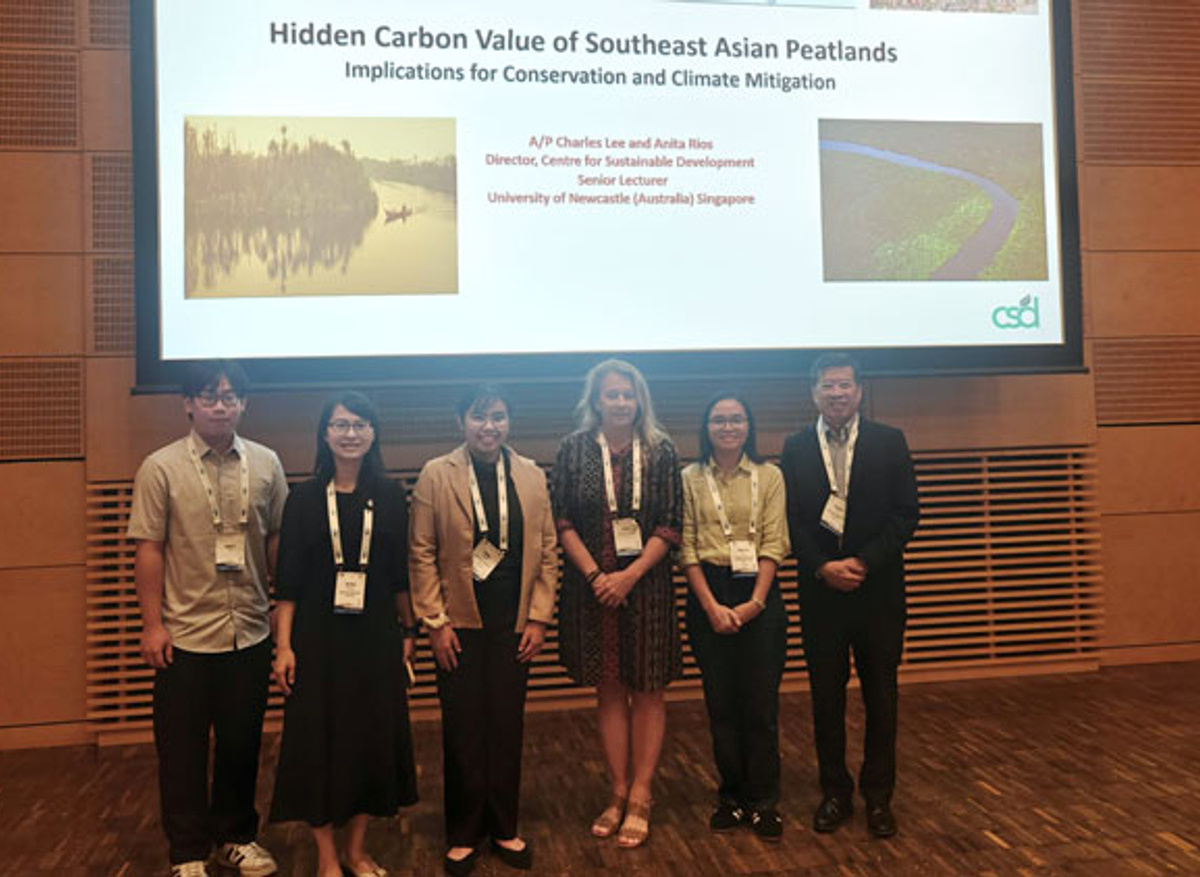
SETAC Tsukuba in photos
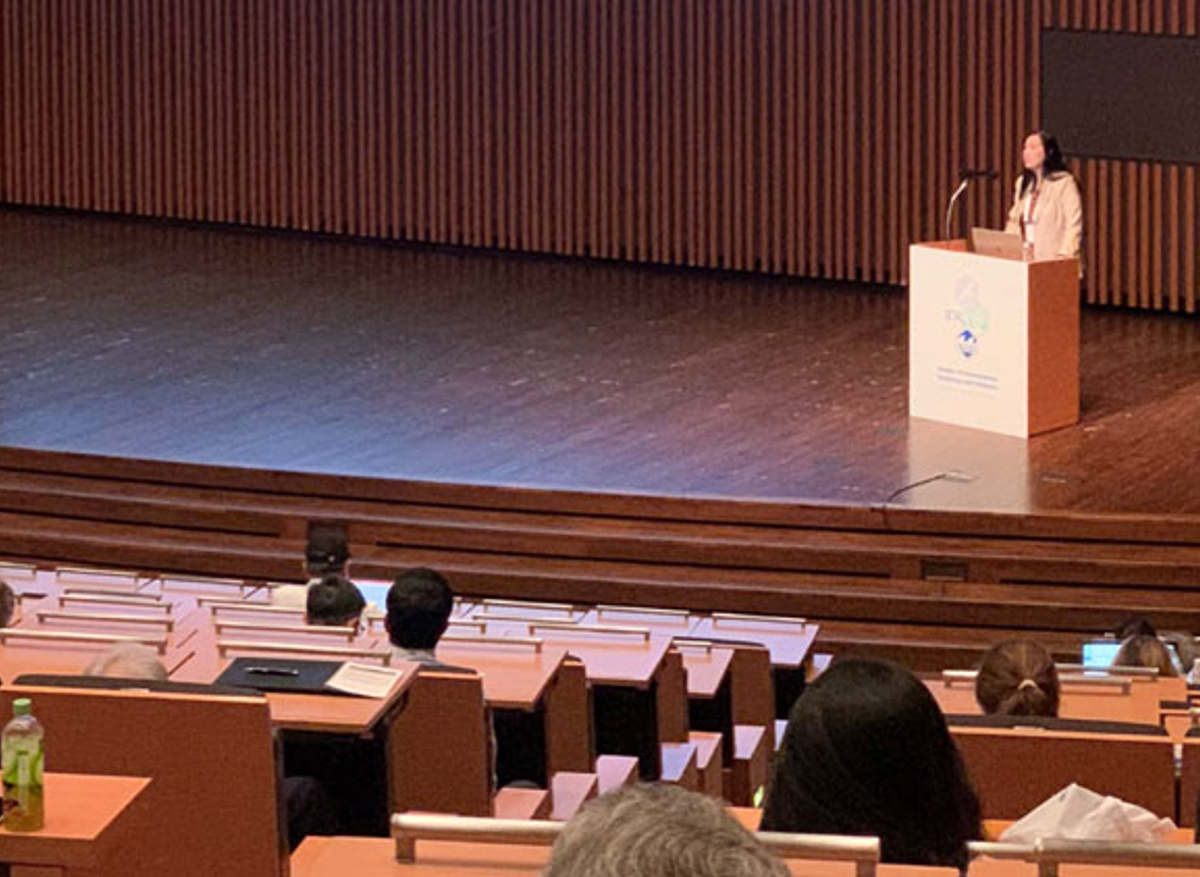
SETAC Tsukuba in photos
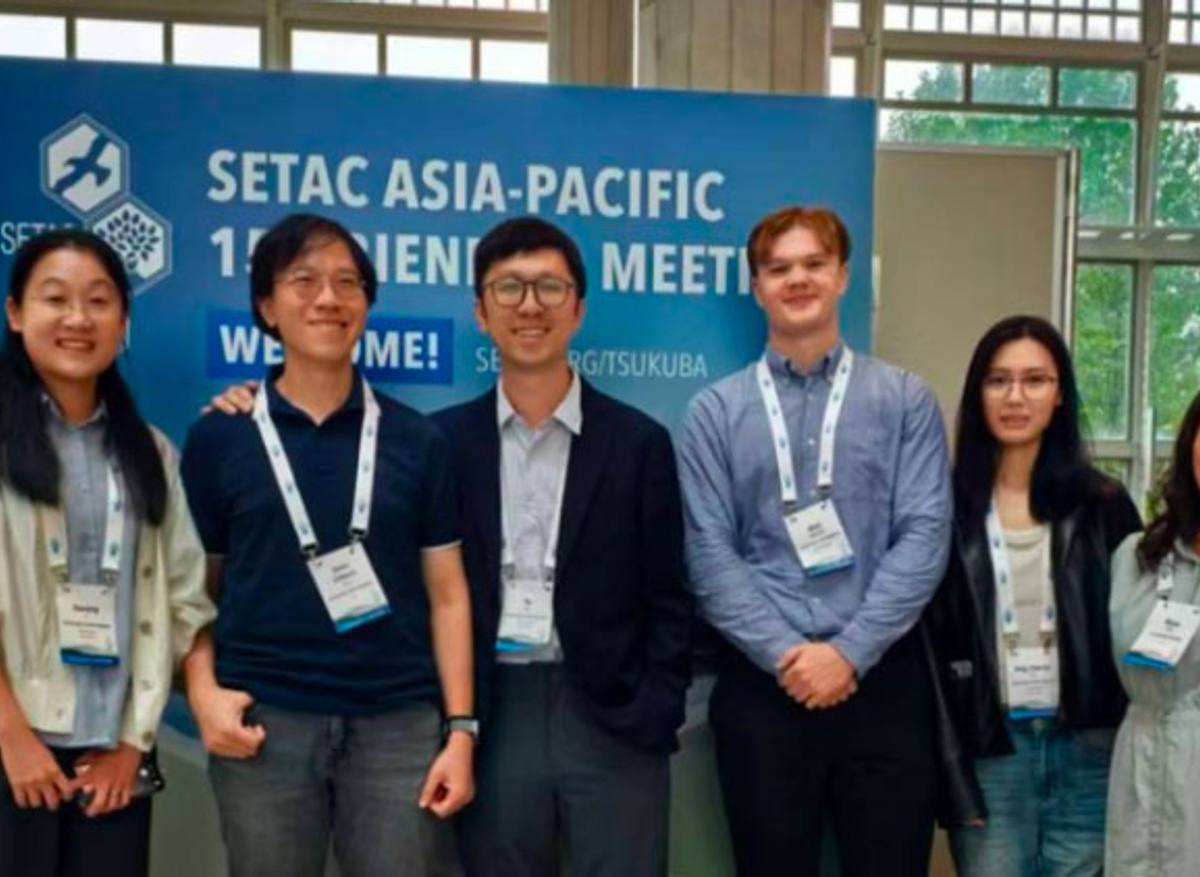
SETAC Tsukuba in photos
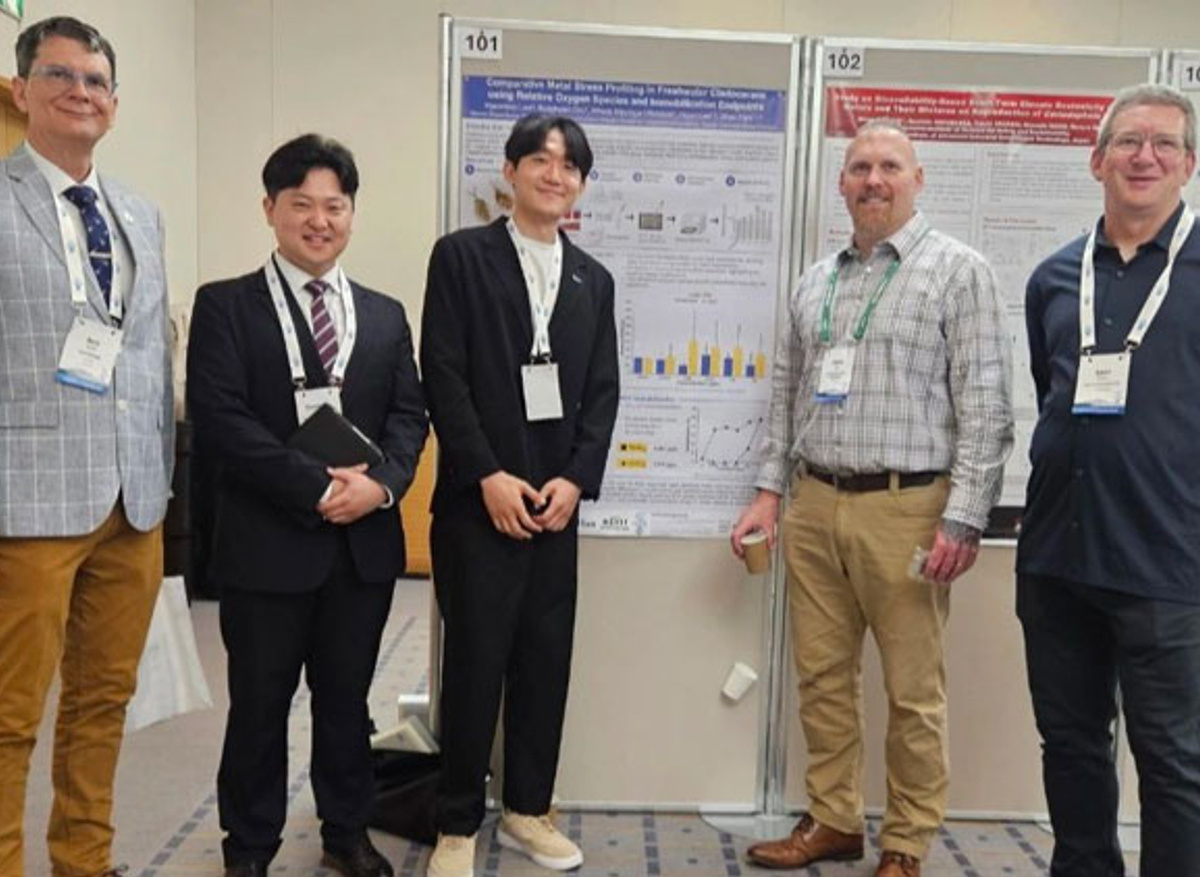
SETAC Tsukuba in photos
SETAC Tsukuba in photos
SETAC Tsukuba in photos
Four Plenaries, From Mechanism to Policy
The four plenaries approached the meeting theme from different points along the science-to-policy continuum.
At the opening ceremony on Sunday, Taisen Iguchi, Specially Appointed Professor at Yokohama City University, traced endocrine disruption science from its early warnings in the 1990s to today's OECD test guidelines. Iguchi, a former president of the Japan Society for Endocrine-Disrupting Chemicals who has chaired OECD working groups on test guidelines, also outlined how Japan’s Ministry of the Environment evaluates potential endocrine disruptors.
On Monday, Carolyn Brumley, Senior Principal Risk Assessor at Senversa, shared lessons from a decade of refining Australia’s ecological guideline values for per- and polyfluoroalkyl substances (PFAS). Her talk drew on data from defence, airport and industrial sites, as well as emerging work on PFAS exposure in groundwater fauna.
On Tuesday, Karina Gin Yew-Hoong, Provost's Chair Professor at the National University of Singapore, presented antimicrobial resistance as an environmental challenge as much as a clinical one. Drawing on her team’s work coupling hydrodynamic, water quality and antimicrobial resistance modeling in a tropical reservoir, she showed how risk models, machine learning and genomic data can help identify resistance hotspots in urban water systems. “By quantifying the risks within our water, soil and air, we can transition from reactive clinical management to a proactive, evidence-based One Health strategy,” Gin said.
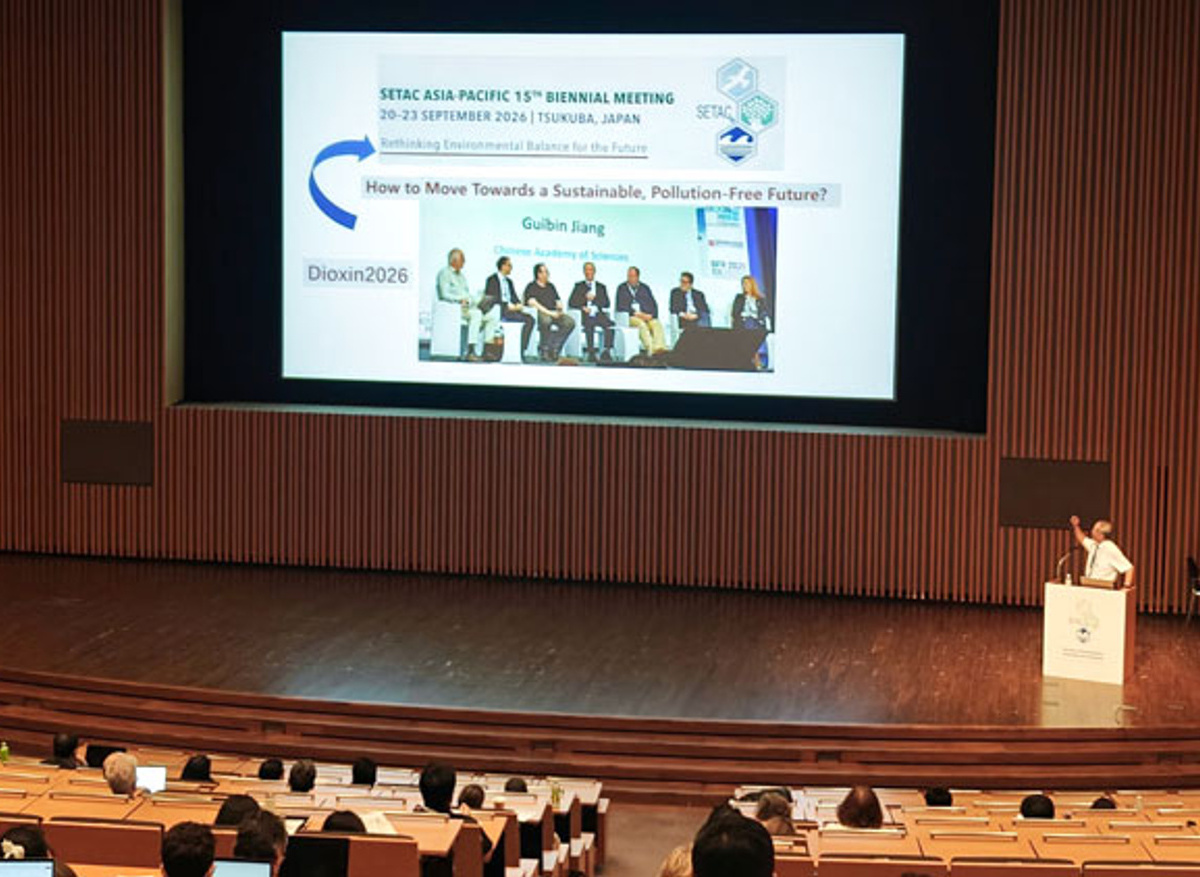
On Wednesday, Guibin Jiang of the Research Center for Eco-Environmental Sciences at the Chinese Academy of Sciences closed the plenary program by asking how science can help move society toward a sustainable, pollution-free future. “Through integrated science and international collaboration, we can generate the evidence needed for sustainable, pollution-free futures that protect ecosystems and human health,” Jiang said.
PFAS in Focus
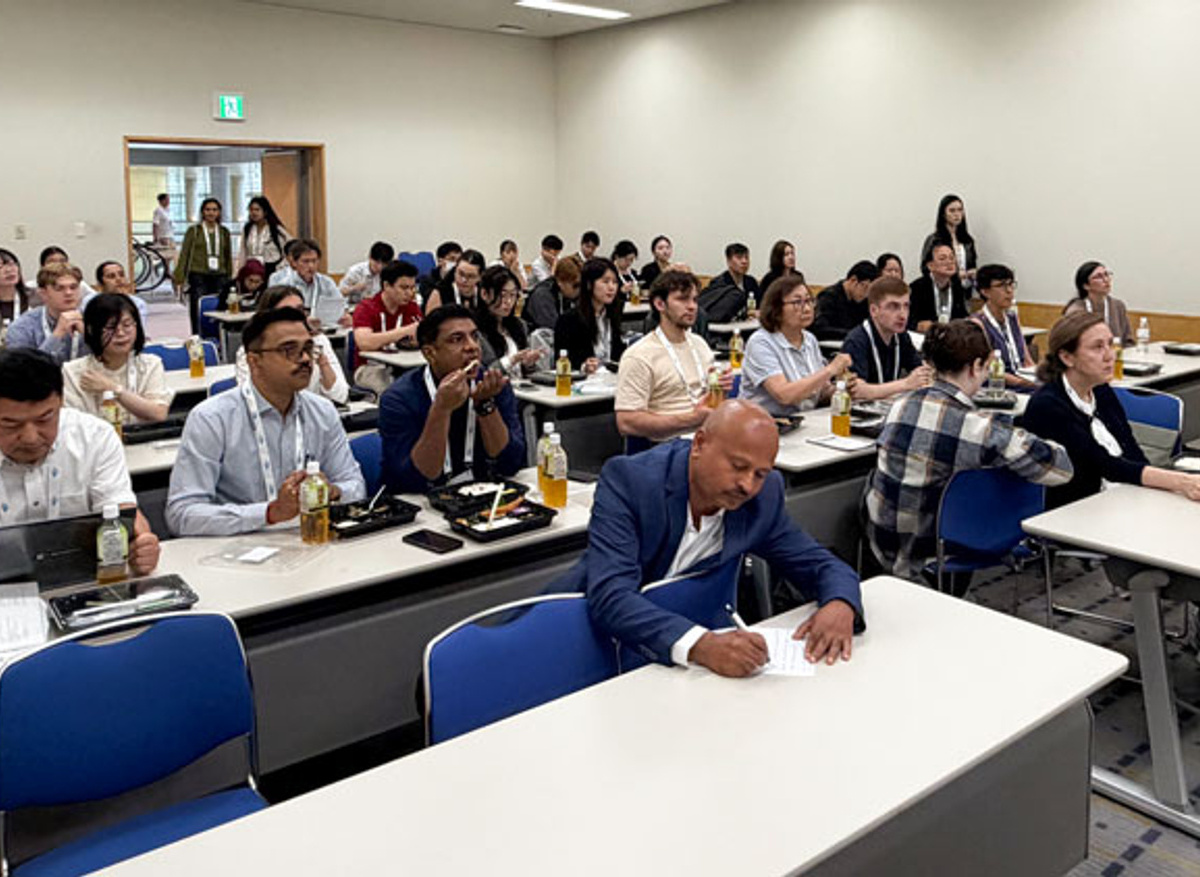
PFAS was a prominent scientific theme across the meeting, in dedicated treatment and remediation sessions and in the exhibition hall. On Tuesday, Brad Clarke, Associate Professor at the University of Melbourne and Chief Investigator with the Australian Laboratory for Emerging Contaminants, spoke to a packed room at an Agilent-hosted lunch seminar. His presentation, “PFAS in the Australian Environment: Measurement, Exposure and Future Challenges,” explored the evolving analytical and environmental challenges surrounding PFAS.
Clarke showed how ultra-trace analysis and advanced mass spectrometry are helping reveal previously unrecognized PFAS in Australian drinking water and wildlife. Together with Brumley’s plenary, the talk covered PFAS measurement, exposure, environmental risk assessment and regulation.
Beyond the Scientific Sessions
On Monday, a special information session on the International Board of Environmental Risk Assessors (IBERA), led by IBERA Diplomates Bin-Le Lin, AIST, and Biyao Han, ExxonMobil Asia Pacific Research and Development, drew approximately 60 participants. Lin gave an overview of IBERA and its certification process. Han shared her experience of preparing for and achieving certification. The session sparked lively discussion, and many participants stayed afterward to continue the conversation.
On Tuesday, a lunch seminar on publishing and reviewing with SETAC journals took some of the mystery out of the publication process, with practical advice for first-time authors and experienced reviewers alike.
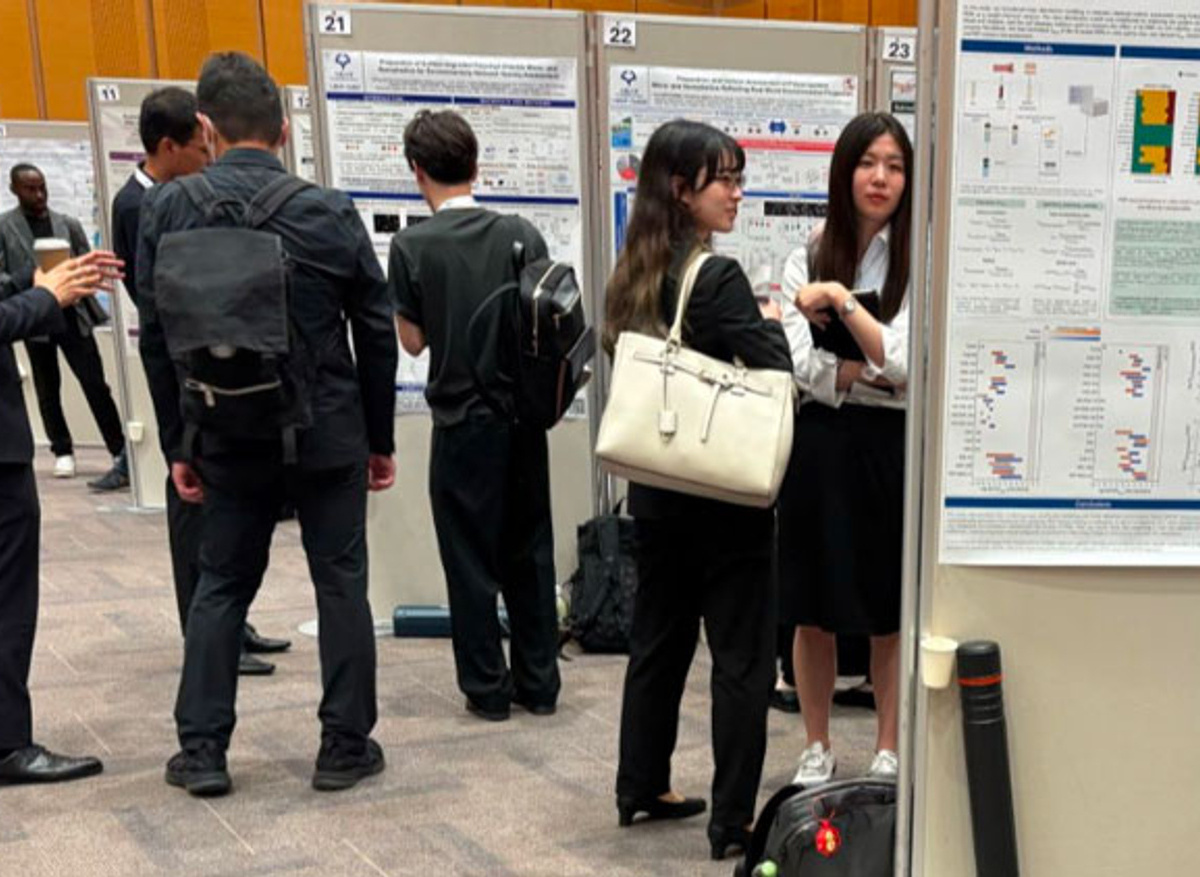
Between sessions, the exhibition and poster hall became a lively hub for scientific and professional exchange. Thirteen booths showcased analytical instrumentation, reference standards, testing services and Japan’s national research institutes, while daily poster sessions drew steady crowds.
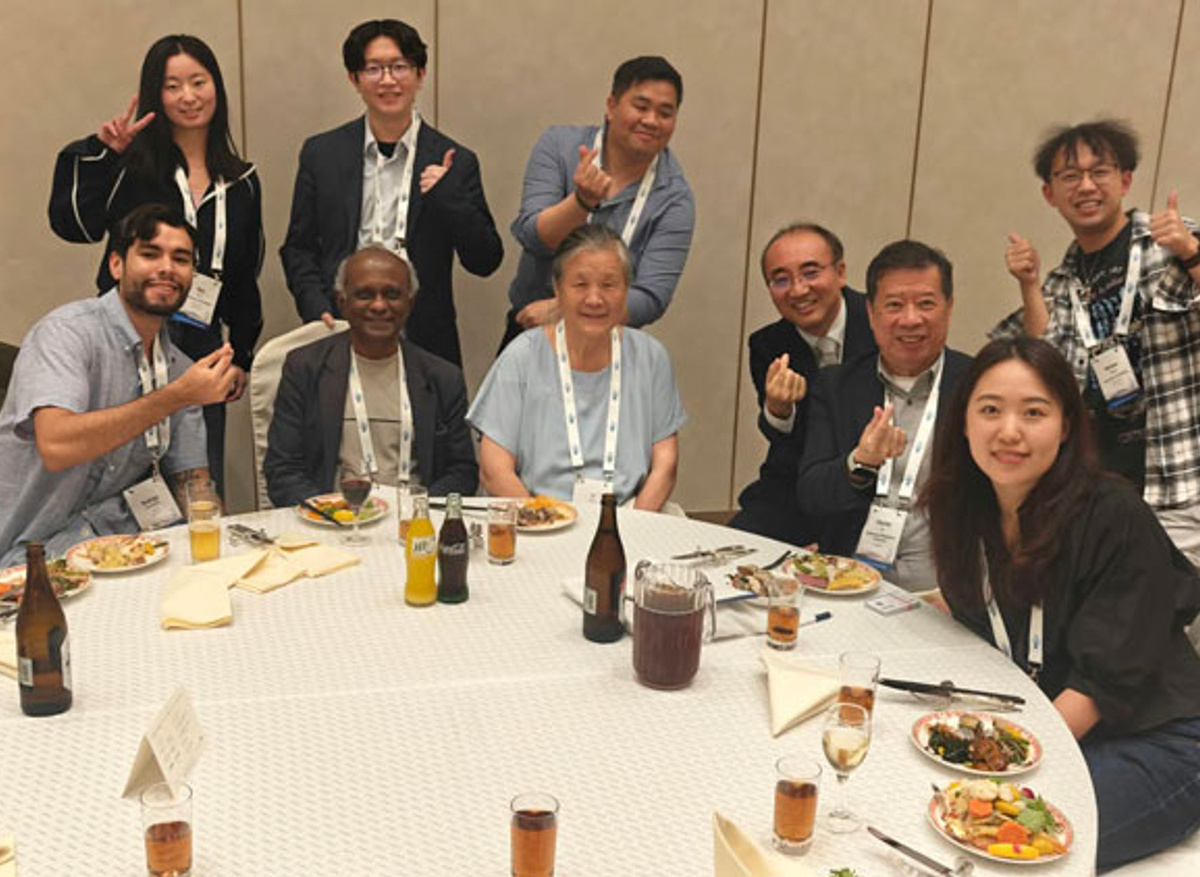
SETAC’s OMICs Interest Group and EcoMet Taskforce also met jointly on Monday. That evening’s networking dinner at Hotel Nikko Tsukuba brought students, early-career researchers and senior scientists together around the same tables.
During the meeting, SETAC Asia-Pacific signed a memorandum of understanding with the Shanghai Society of Toxicology (SHSOT), creating new opportunities for SHSOT members to engage with SETAC's international scientific network, meetings and publications. For SETAC Asia-Pacific, the agreement establishes a formal partnership in China that can encourage more Chinese scientists and students to participate in SETAC. A dedicated Globe article covers the partnership and its next steps.
Recognizing Excellence Across Generations
Wen-Xiong Wang, City University of Hong Kong, received the SETAC Founders Award, the Society’s most prestigious award, in recognition of a distinguished scientific career spanning more than three decades. His foundational work on metals ecotoxicology, bioaccumulation, nanomaterials and microplastics in marine systems has had a profound and lasting impact on the field.
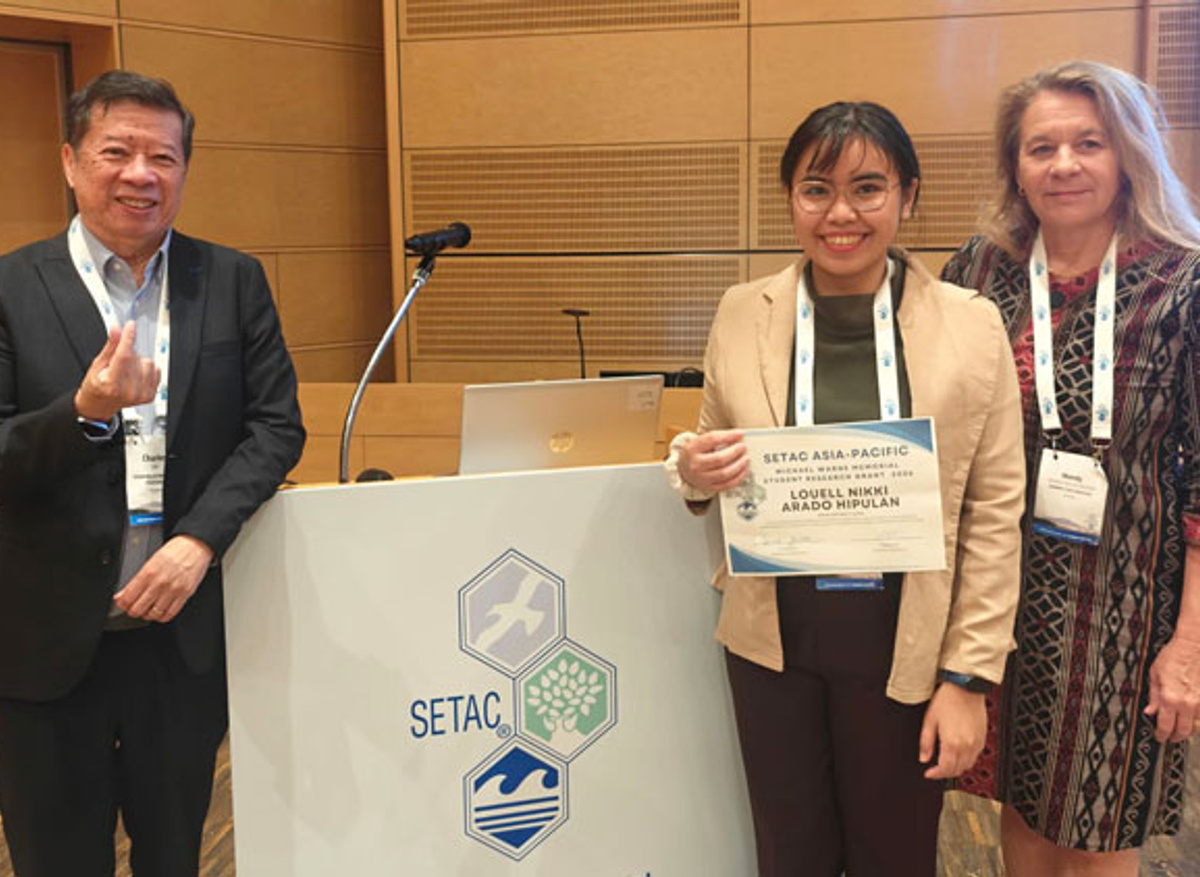
Two doctoral researchers, Louell Nikki Arado Hipulan of Ehime University and Hengyu Wu of The Hong Kong Polytechnic University, each received a 2026 SETAC Asia-Pacific Michael Warne Memorial Student Research Grant of AU$3,500 to support their research. Nikoo Nabizadeh Moghaddam, an industry Ph.D. researcher with CSIRO Environment and Adelaide University, was named a Highly Commended applicant and received her certificate at the opening ceremony. Her research, which she presented in Tsukuba, is currently progressing through the patent process ahead of publication.
Three students received Best Student Presentation Awards. Shiho Ozeki of Monash University won a platform presentation award for “Exposure to the Synthetic Estrogen 17α-Ethinylestradiol Alters Courtship Behaviour but Not Sperm Traits in a Freshwater Fish,” as did Tsz Yung Wong of the Swedish University of Agricultural Sciences for “Swedish Landfill Leachate: Mapping and Seasonal Profiling of Contamination of Emerging Concern (CECs).” Run Luo of the University of Auckland won the poster presentation award for “A Spectral Imaging-Based Machine Learning Approach for the Rapid Detection of Heavy Metals and Inorganic Disinfection By-Products in Drinking Water.”
With Gratitude
The meeting would not have been possible without our generous sponsors, led by Platinum sponsors IBERA, SETAC Journals, Shimadzu and the Silicone Industry Association of Japan. We thank them, along with our Silver and Supporting sponsors, exhibitors and SETAC Global Partners, for their support of Environmental Quality Through Science®.
Special thanks also go to the local organizing committee, SETAC Japan, the Scientific Committee, session chairs, judges and volunteers.
Looking Ahead
The meeting reflected an Asia-Pacific community growing in reach and collaboration, with more than 600 participants from many disciplines, sectors and countries. With sessions on emerging contaminants, environmental risk assessment, One Health and regulatory science, along with new regional partnerships, it demonstrated both the breadth of environmental science across the region and the value of bringing that expertise together.
As the meeting closed, attention turned to the SETAC Asia-Pacific 16th Meeting, which SETAC Australasia will host from 23–27 August 2027 in Coffs Harbour, New South Wales, Australia.
Author contact: [email protected]