Celebrating the 2025 SETAC Journals Best Paper Award Winners
Erin Nelson, SETAC Publications Manager
SETAC is pleased to recognize the recipients of the 2025 SETAC Journals Best Paper Awards, honoring outstanding research published in Environmental Toxicology and Chemistry (ET&C) and Integrated Environmental Assessment and Management (IEAM). Selected through a rigorous editorial review process, these awards recognize papers that exemplify scientific excellence, innovation, transparency, and relevance to environmental science and decision-making.
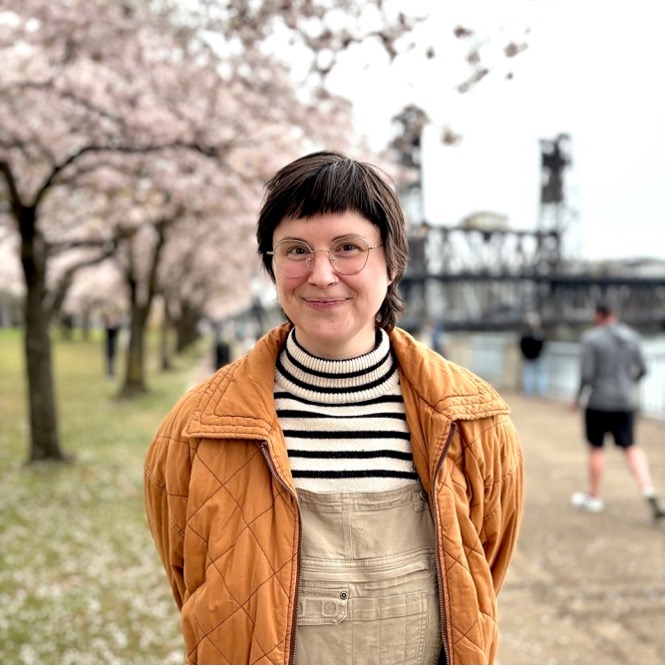
The 2025 ET&C Best Paper Award was presented to Alexandra G. Tissot as first author on the paper, “The effects of imidacloprid and polyester microfibers on the larval development of the endangered sunflower star.” The study investigates how two widespread anthropogenic stressors – a commonly used insecticide and microplastic fibers – affect the early life stages of the endangered sunflower star, Pycnopodia helianthoides. By examining the combined effects of multiple stressors on a species of high conservation concern, the research provides valuable insights for ecological risk assessment, marine conservation and restoration efforts.
Tissot is a pesticide registration specialist at the Oregon Department of Agriculture. She recently earned her PhD in ecotoxicology from Portland State University where her research focused on how pesticides and other contaminants affect aquatic organisms, fueling her commitment to water quality and environmental justice.
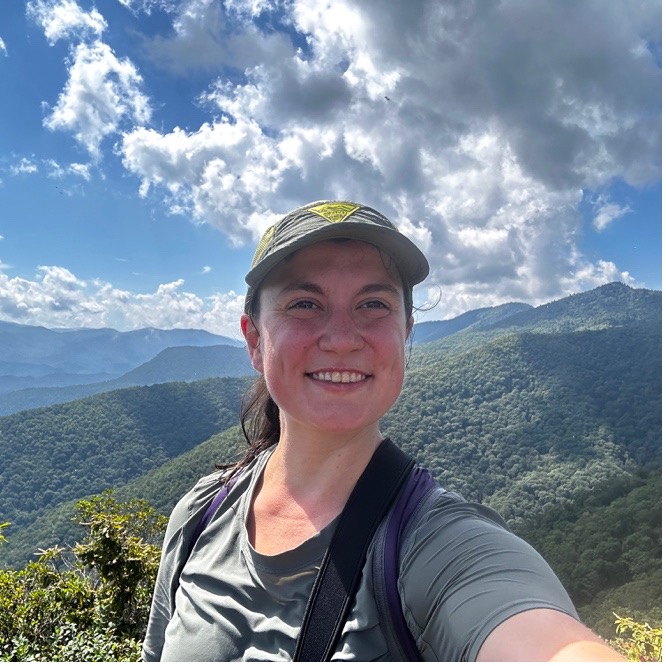
The 2025 IEAM Best Paper Award was presented to Una Jermilova as first author on the paper, “Assessing mercury exposure to water and fish of the Mackenzie watershed using a Bayesian network analysis.” The authors developed an innovative Bayesian network relative risk model that brings together diverse mercury datasets and scientific knowledge into a single decision-support framework for Canada's Mackenzie River Basin. By assessing environmental risks and evaluating the potential effectiveness of mercury mitigation strategies, the model provides policymakers and stakeholders with a practical tool for informed environmental management.
Jermilova is an environmental scientist whose research focuses on freshwater security, mercury cycling and the impacts of climate change on northern aquatic ecosystems. She recently earned her MSc at Trent University in Peterborough, Ontario, Canada, in environmental and life sciences, specializing in environmental toxicology, biochemistry and the modeling of mercury exposure in northern aquatic ecosystems.
Together, these award-winning papers highlight the breadth of science published in SETAC's journals – from advancing the understanding of contaminant effects on vulnerable species to developing integrative tools that support environmental management. Congratulations to all of the authors for their exceptional contributions.
Author Contact: [email protected]