Society of Environmental Toxicology and Chemistry
The Society of Environmental Toxicology and Chemistry (SETAC) is a not-for-profit, worldwide professional organization with approximately 10,000 members and 21,000 followers from more than 90 countries dedicated to advancing environmental science and environmental management.
Discover the SETAC Library
Discover the SETAC Journals, scroll through archived books, download fact sheets or read up on the latest globe articles and news announcements.
SETAC Announcements




Career Development Resources
We support our members through their student days, as they develop into early career researchers, and until they are mentoring the next generation via several programs.
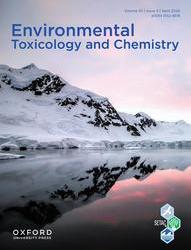
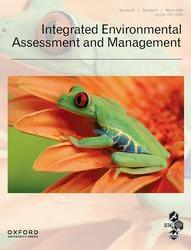
SETAC Journals
Publish with SETAC's Journals
- Environmental Toxicology and Chemistry (ET&C)
- Integrated Environmental Assessment and Management (IEAM)